
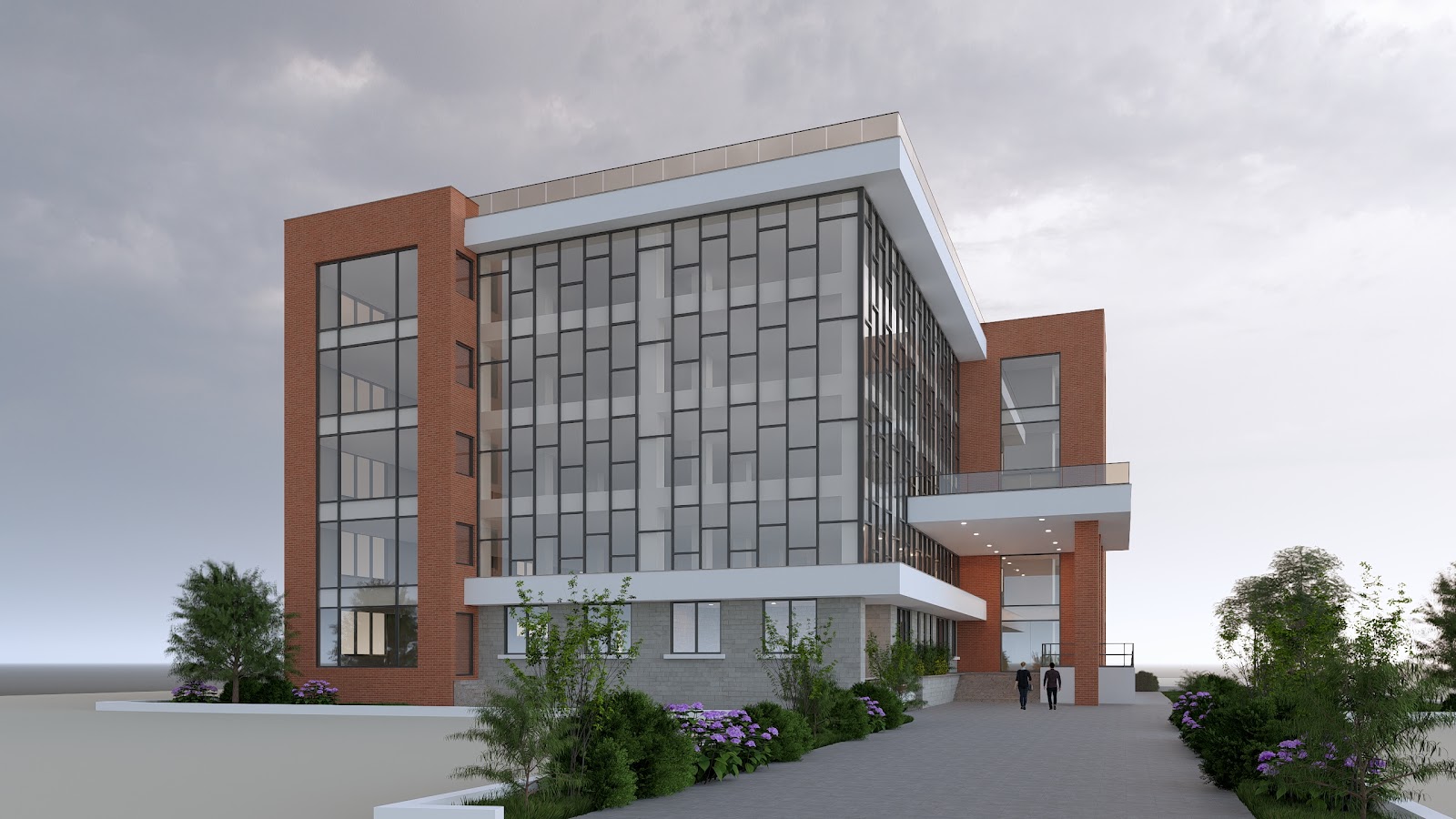

Sustainable building practices are no longer an option but a necessity in today’s world. With increasing urbanization and environmental concerns, Nepal’s construction industry must adopt eco-friendly techniques. In this blog, we explore the benefits of sustainable construction, innovative materials, and Kala Building & Construction Pvt. Ltd.’s commitment to green building.
Understanding Sustainable Construction
Sustainable construction focuses on reducing environmental impact while ensuring long-term efficiency. This includes energy-efficient designs, eco-friendly materials, and waste reduction strategies.
Sustainable Materials Used in Nepal
Bamboo – A renewable, strong, and lightweight alternative to steel
Rammed Earth – Cost-effective and energy-efficient
Compressed Stabilized Earth Blocks (CSEBs) – Durable and sustainable bricks
Recycled Steel – Lower carbon footprint and high durability
Eco-friendly Concrete – Reducing CO2 emissions and improving strength
Energy Efficiency in Design
Passive solar design for natural lighting
Insulation techniques for temperature regulation
Smart building automation for energy conservation
Use of green roofs and vertical gardens for cooling effects
Solar panels for renewable energy integration
![Slider 2@2x[1]](https://kbac.com.np/wp-content/uploads/2021/08/Slider-2@2x1.jpg)
Waste Management Strategies
Recycling and reusing construction waste
Efficient material procurement to reduce excess
Prefabrication to minimize onsite waste
Kala’s Commitment to Sustainability Kala integrates sustainable materials, minimizes waste, and promotes LEED-certified designs to create eco-friendly infrastructure.
Sustainable construction is the future. By adopting eco-friendly materials and energy-efficient practices, Nepal can move towards greener urban development.

